

Filter articles
标签
产品
Loading...
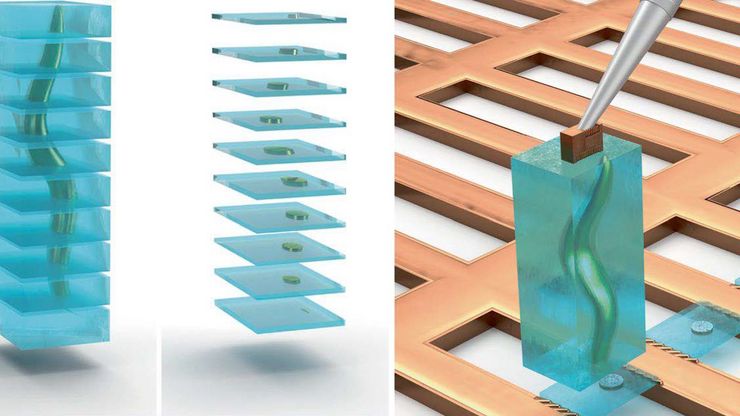
Cryo-ET Sample Preparation: From Waffle Method to Serial Lift-Out
Cryo-ET sample preparation becomes more demanding when specimens are thicker, larger, or more complex. This webinar brings together four perspectives on how high-pressure freezing can be connected…
Loading...

Waffle Method Workflow: From HPF to Cryo-ET Lamellae
Waffle freezing provides an HPF-based route to cryo-ET sample preparation. This workflow guide follows the process from grid and carrier assembly to vitrification, cryo-FIB milling, lamella…
Loading...

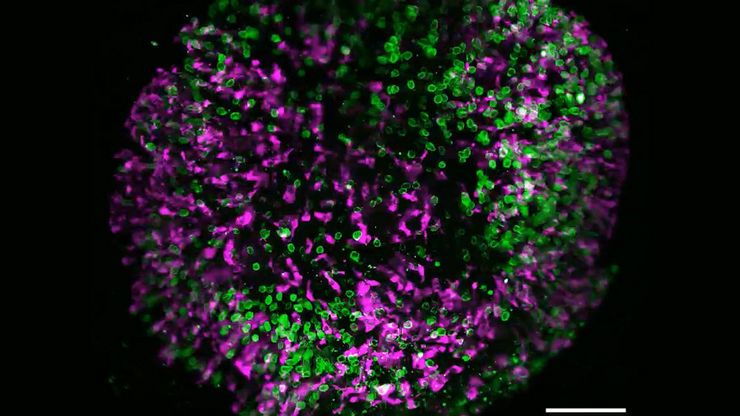
Fast, High-Contrast Widefield Imaging of Optically Challenging Samples
Live‑cell imaging of large, complex biological samples often requires large fields of view, sub-cellular resolution, high-sensitivity, and fast acquisition – all while maintaining low illumination…
Loading...
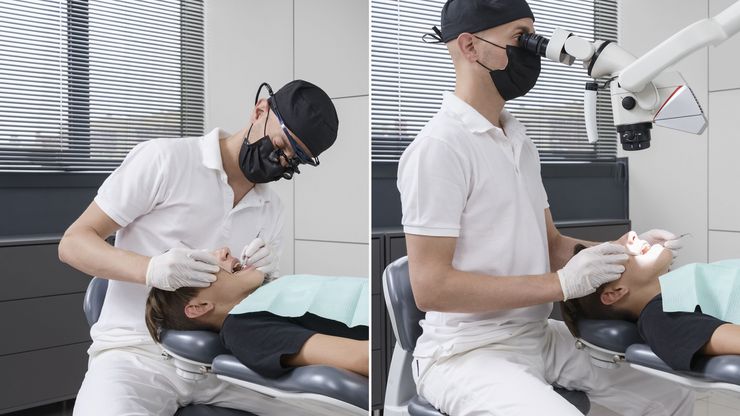
Dental Loupes vs Microscopes: Exploring Visualization Options in Dentistry
Dental professionals often ask: “Should I use dental loupes or invest in a microscope?” This article explores the key differences between dental microscopes and dental loupes, focusing on…
Loading...
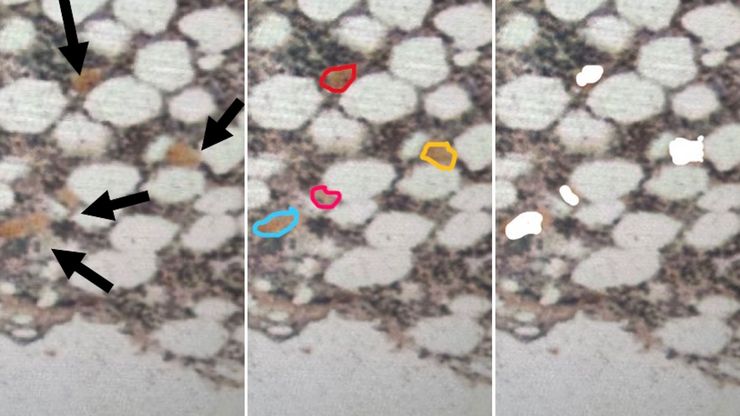
Spatial Proteomics Workflow in Blood Cancer (MPNs)
Megakaryocytes play a central role in the biology of myeloproliferative neoplasms (MPNs), yet their in vivo proteomic characterization remains a major challenge due to low abundance and disrupted…
Loading...
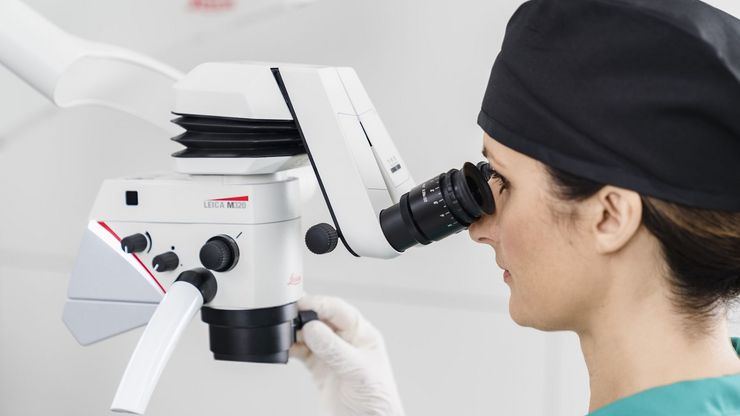
选择牙科显微镜时需考虑的六大特性
在牙医学中,手术显微镜对于进行高质量和成功的手术来说变得愈发重要,尤其是在牙髓病学领域。显微镜协助牙医进行微创手术,旨在保护牙质、保留组织、最大限度地降低风险并缩短愈合时间。
要选择适合牙医需求的显微镜,了解现代牙科显微镜的一些决定性特征将十分有帮助。
Loading...
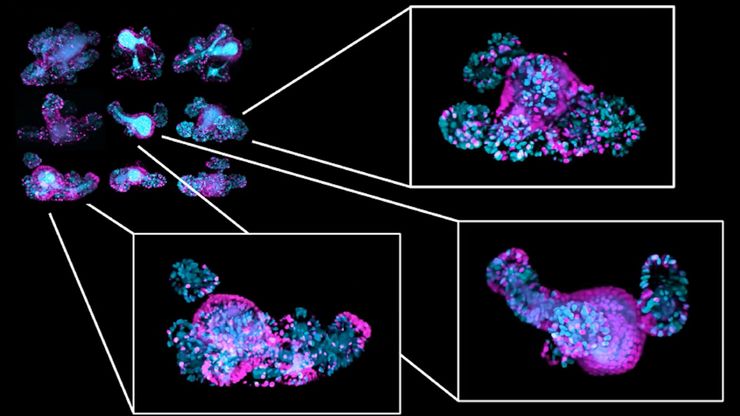
Multiscale Imaging of Organoids: High Content to Light Sheet
Learn multiscale organoid imaging: fixed high content phenotyping, gentle dual view light sheet, and reproducible pipelines that turn 3D data into insights.
Loading...

比例成像
细胞的许多基本功能在很大程度上依赖于离子(例如钙、镁)、电压势和细胞质与周围细胞外空间之间的 pH 值的微妙但动态的平衡。这些平衡的变化会显著改变细胞的行为和功能。因此,实时测量细胞内离子、电压和 pH…


