显微镜知识库

显微镜知识库

显微镜知识库

徕卡显微系统的知识库提供有关显微镜学科的科学研究和教学材料。内容旨在对显微镜初学者、有经验的显微镜操作实践者和使用显微镜的科学家在他们的日常工作和实验有所帮助。这里有探索交互式教程和应用笔记,你可以找到你需要的显微镜的基础知识以及前沿技术——快来加入徕卡显微知识社区,分享您的专业知识!

便捷高效的多色成像新方法

之所以开发将高光谱拆分与相量分析相结合的技术,是为了简化从用多个荧光团标记的样本中采集图像的过程。这种组合方法可消除多通道成像中常见的障碍,例如荧光团串扰和低效的每种信号依次成像(这两种情况都可能导致丢失信息)。此外,它还有助于改进图像采集和数据生成,从而提高实验效率。

多通道活细胞成像注意事项

同时多色成像,确保实验成功:活细胞成像实验是了解动态过程的关键。这类实验使我们能够观察记录活体状态下的细胞,而不会可能因固定或终止不同活体过程而产生干扰性伪影。
Image: Adult rat brain. Neurons (Alexa Fluor488, green), Astrocytes (GFAP, red), Nuclei (DAPI, blue). Image courtesy of Prof. En Xu, Institute of Neurosciences and Department of Neurology of the Second Affiliated Hospital of Guangzhou Medical University, China.

多色显微成像:多通道的重要性

多通道一词是指使用多种荧光染料来检查一个样本中的不同元素。多通道成像可以同时观察相关组分和过程,从而为您的观察添加更多背景信息,最终提供更有意义的结果。它还有助于观察采用其他方法可能会遗漏的相互依赖性。
Separation of cells based on their tracking status: A colourised binary mask of a time-lapse microscopy field of view of medium confluency with individual cells highlighted as survivors if they can be tracked since the initial movie frame (cyan), incomers if they migrated into the field of view throughout the movie (yellow) or mistracks if an error occurred in the automated trajectory reconstruction (red).

使用深度学习技术追踪单细胞

人工智能解决方案在显微镜领域的应用不断拓展。从自动化目标分类到虚拟染色,机器学习和深度学习技术在帮助显微镜学家简化分析工作的同时,也在持续推动科学技术领域的突破。
 Routine inspection microscope Ivesta 3

如何为目视检查选择正确的解决方案

本文可帮助用户在选择显微镜作为常规目视检查解决方案时做出决策。其中描述了应考虑的重要因素。

如何使用数码显微镜简化检验流程

在“如何使用数码显微镜简化检验流程”的网络研讨会上,他深入探讨了如何使用Emspira 3数码显微镜改进目视检查流程。
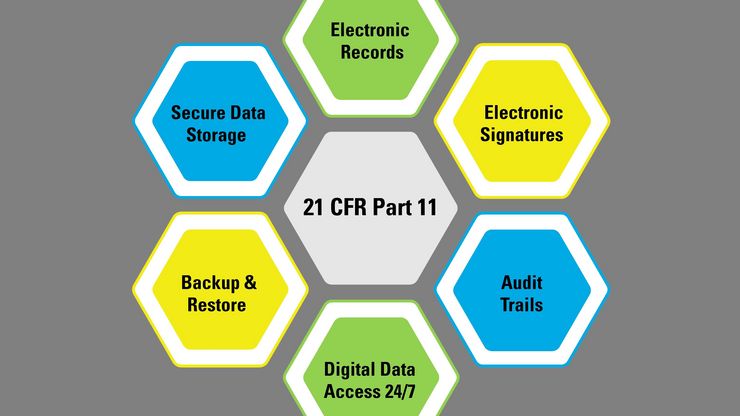
Diagram showing the scope of the regulations and guidelines for electronic records mentioned in 21 CFR Part 11 (Code of Federal Regulations Title 21, Part 11) which is published by the US FDA (Food & Drug Administration).

美国联邦法规第21章第11款和其他相关法规简介

本文概述了在美国(联邦法规第21章第11款)、欧盟(GMP附录11)和中国(NMPA)所用电子记录(数据输入、存储、签名和审批)的法规和指南,这些法规和指南会对医疗器械质量控制的数字化增强检测解决方案产生影响。与纸质记录方法相比,使用显微镜进行数字化增强检测具有更一致和更高效的检测优势。但是,与纸质记录和签名的规定相比,电子记录和签名的规定有明显不同的建议和要求。电子记录的创建、验证、存储和备份应…
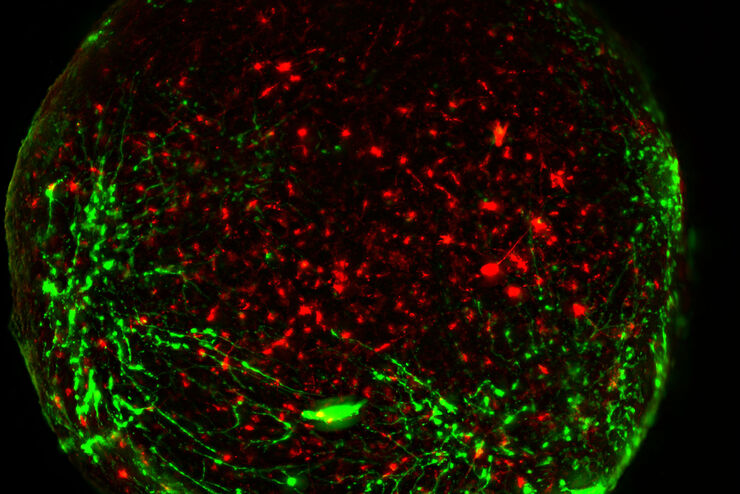
Virally labeled neurons (red) and astrocytes (green) in a cortical spheroid derived from human induced pluripotent stem cells. THUNDER Model Organism Imagerwith a 2x 0.15 NA objective at 3.4x zoomwas used to produce this 425 μm Z-stack (26 positions), which is presented here as an Extended Depth of Field(EDoF)projection.

神经科学图像

神经科学通常使用显微镜来研究神经系统的功能和了解神经退行性疾病。
Virally labeled neurons (red) and astrocytes (green) in a cortical spheroid derived from human induced pluripotent stem cells. THUNDER Model Organism Imager with a 2x 0.15 NA objective at 3.4x zoom was used to produce this 425 µm Z-stack (26 positions), which is presented here as an Extended Depth of Field (EDoF) projection.  Images courtesy of Dr. Fikri Birey  from the Dr. Sergiu Pasca laboratory at Stanford University, 3165 Porter Dr., Palo Alto, CA

下载活细胞成像指南

在生命科学研究中,活细胞成像是一种不可或缺的工具,可用于观察细胞的活体状态。这本电子书回顾了为确保成功进行活细胞成像而需要考虑的各种重要因素。
Scroll to top