医疗

医疗

医疗

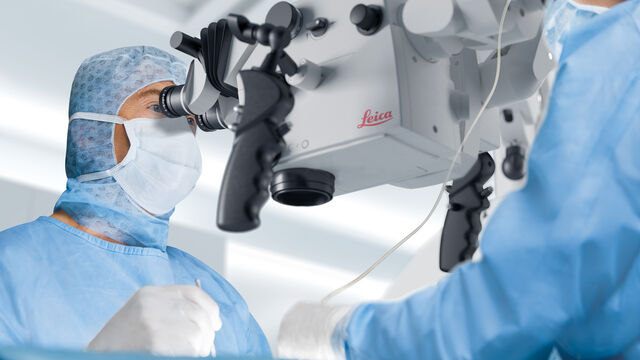
探索专为神经外科、眼科、整形外科、耳鼻喉科和牙科 HCP 量身定制的科学和临床综合资源,包括行业洞见、临床案例研究和专题研讨会。重点突出手术显微镜的最新进展,让您了解AR荧光、三维可视化和术中OCT成像等尖端技术如何赋能复杂手术决策的信心和精准操作。
Region of a patterned wafer inspected using optical microscopy and automated and reproducible DIC (differential interference contrast). With DIC users are able to visualize small height differences on the wafer surface more easily.

6 英寸晶片检测显微镜,可靠的观察微小高度差

本文介绍了一种 6 英寸晶圆检测显微镜,无论用户的技术水平如何,它都能自动进行可重复的 DIC(微分干涉对比)成像。集成电路 (IC) 芯片和半导体元件的制造需要晶圆检测,以确保不存在影响性能的缺陷。通常使用光学显微镜进行质量控制、故障分析和 R&D 检测。为了有效地观察晶圆上结构之间的微小高度差,可以使用 DIC。
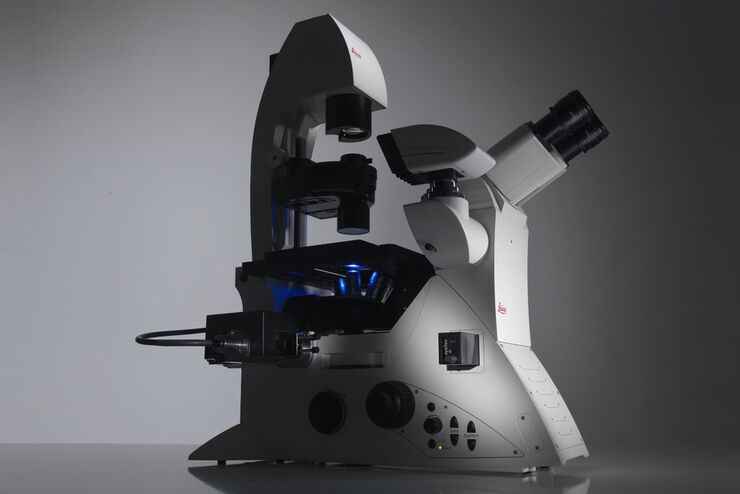
Shown is the DMi8 inverted microscope which is used for life-science research.

Factors to Consider When Selecting a Research Microscope

An optical microscope is often one of the central devices in a life-science research lab. It can be used for various applications which shed light on many scientific questions. Thereby the…
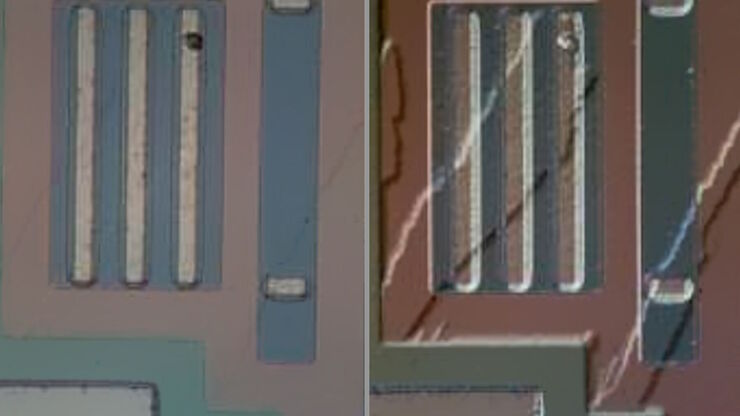
Images of the same area of a processed wafer taken with standard (left) and oblique (right) brightfield illumination using a Leica compound microscope. The defect on the wafer surface is clearly more visible with oblique illumination.

显微镜不同观察方法下的快速半导体检测

已刻蚀的晶圆和集成电路(IC)在生产过程中的半导体检测对于识别和减少缺陷非常重要。
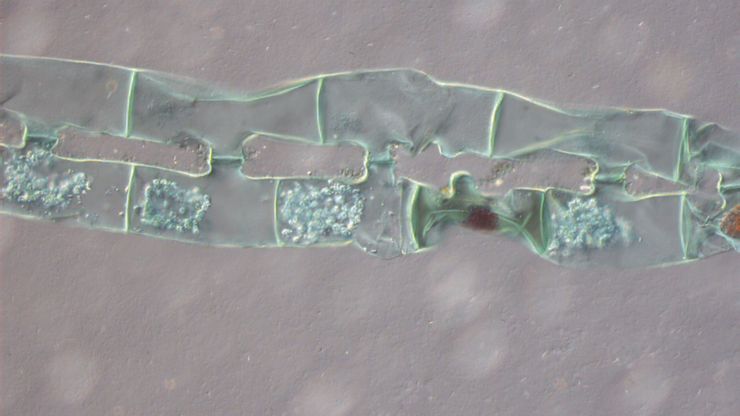
Spirogyra algae (Conjugation), Transmitted Light Differential Interference Contrast.

微分干涉对比(DIC)显微镜

本文阐释了在使用显微镜对未染色透明生物样本进行成像时,微分干涉对比法(DIC)为何是明场照明的绝佳方案。
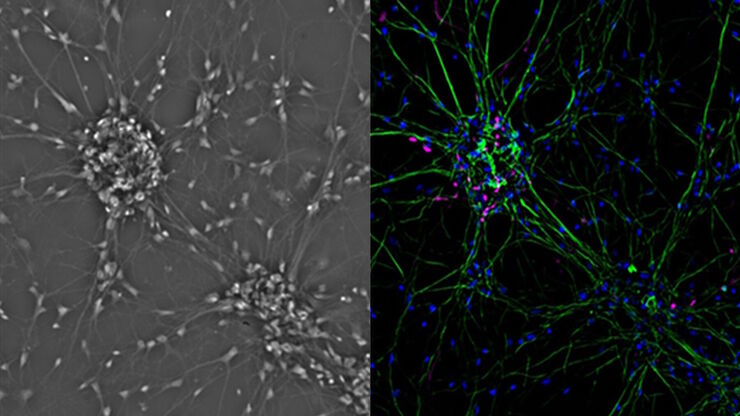
Mammalian cell culure. Phase contrast and fluorescence image.

哺乳动物细胞培养的介绍

哺乳动物细胞培养是生命科学的基本支柱之一。如果不具备在实验室中培养细胞的能力,那么细胞生物学、免疫学、肿瘤研究等学科很难实现快速发展。本文概述了哺乳动物细胞培养系统,可以根据其形态、细胞类型和组织对其进行分类。此外,还介绍了适宜的细胞生长条件以及需要使用何种显微镜来观察细胞。
宽场显微镜简介

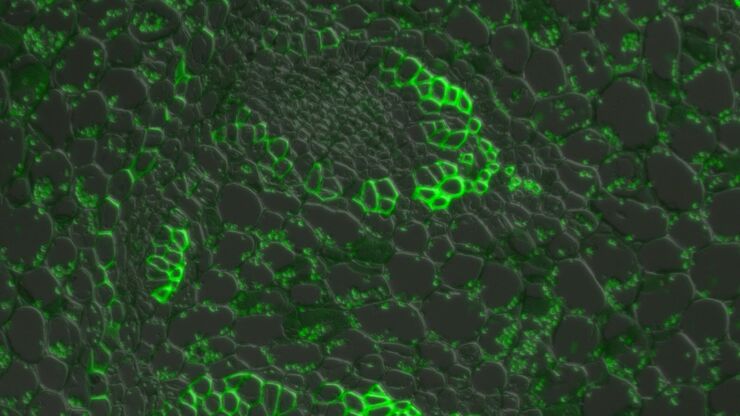
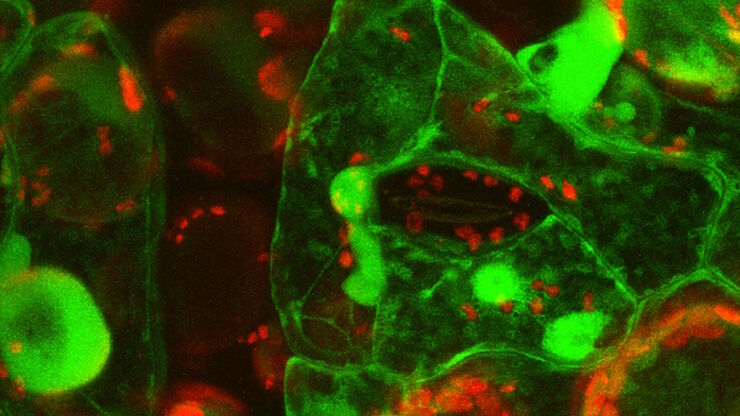
‘宽场显微镜’是最基本的显微镜技术之一。其根本上是将整个感兴趣的样本暴露于光源下,由观察者或摄像头(也可连接到计算机显示器)获得图像的技术。
Primary leaves of cowpea (Vigna unguiculata "California Blackeye") inoculated with cowpea mosaic virus (CPMV) containing the GFP-gene inserted between the movement protein (MP) and the capsid proteins (CPs) in the viral RNA 2

活细胞成像简介

了解复杂且快速变化的细胞动力学是深入探索生物进程的重要一步。因此,现代生命科学研究越来越需要关注于在分子水平上实时发生的生理事件。
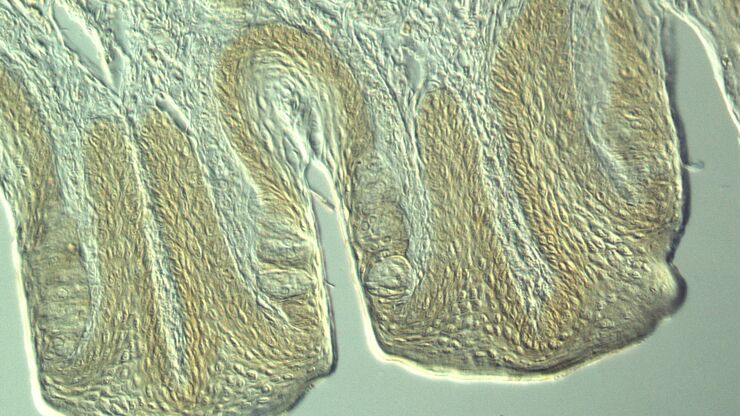
Section taste buds rabbit, differential interference contrast microscope

光学对比方法

光学对比方法可以轻松检查活体和无色标本。不同的显微技术旨在将光与标本相互作用所产生的相位变化转变为人眼可见的亮度差异的振幅变化。
Scroll to top