

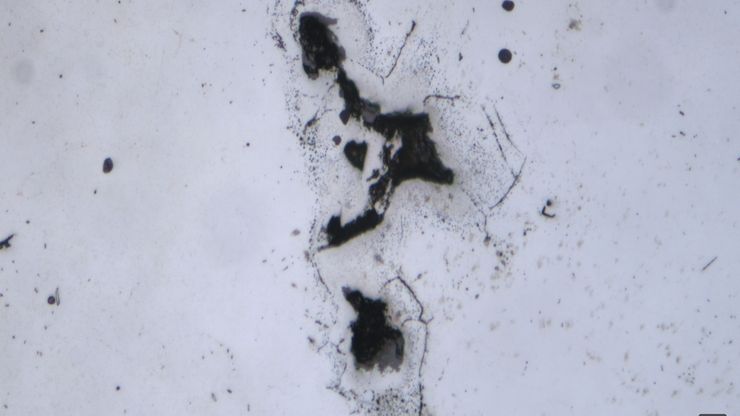
AI-Based Particle Counting with the Aivaro AI Feature Detection Software Module
The Aivaro AI Feature Detection software module enables fast manual microscope inspection of particulate contamination on various material samples. By training different classes, reflective particles,…
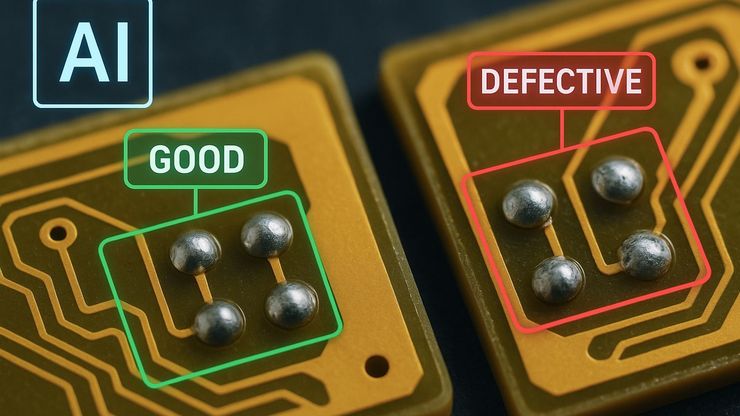
AI Image Analysis for Reliable Defect Detection
AI-based visual inspection with microscopy helps make quality control in industrial environments efficient by reducing manual inspection effort concerning defect detection, classification, and…

An Overview of Artificial Intelligence (AI) and Machine Learning
AI is rapidly changing industrial inspection, quality control, and manufacturing workflows. But not all AI technologies work the same way. From machine learning and deep learning to the newer concept…
Why the Future of Microscopic Inspection Is AI-Assisted, Not Fully Automated
The next wave of QC productivity gains will not come from building more automated inspection lines. Instead, it will come from augmenting millions of inspection decisions that are made manually every…
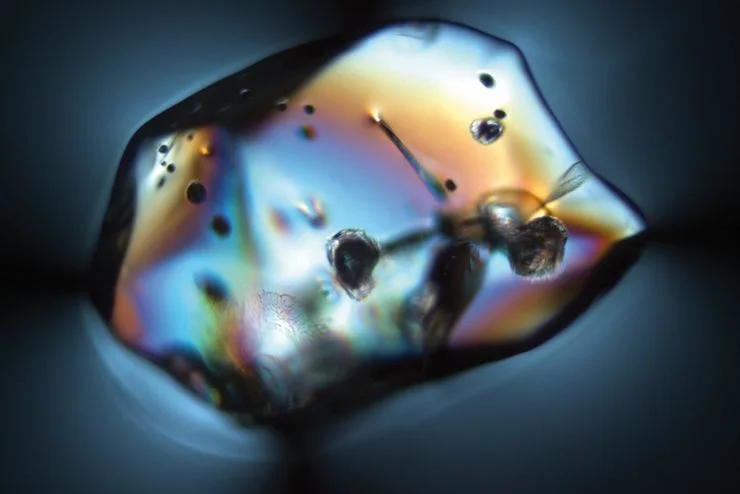
利用偏光显微镜优势确保玻璃质量
玻璃是已知最古老的材料之一。如今,玻璃被广泛应用于各种领域,如光学仪器、门窗、太阳能电池板、食品、饮料和药品容器等,因此必须符合严格的玻璃质量标准,尤其是光学玻璃。利用偏光显微镜对平板玻璃、中空玻璃和压制玻璃进行质量控制既快捷又经济。无需进行耗时的样品制备,即可对结节、金属、晶体夹杂物和气泡等缺陷进行分析。
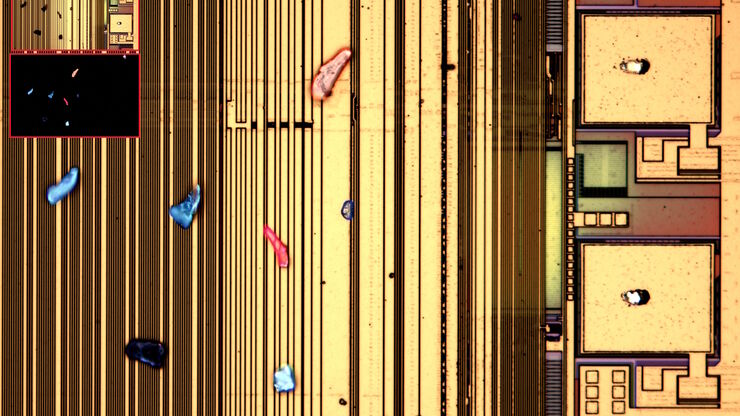
晶圆表面光刻胶残留与有机污染物可视化检测
随着半导体集成电路 (IC) 的尺寸缩小到 10 纳米以下,在晶圆检测过程中有效检测光刻胶残留物等有机污染物和缺陷变得越来越重要。光学显微镜仍是常用的检测方法,但对于有机污染而言,明视野和其他类型的照明都有其局限性。本文讨论了在半导体行业的质量控制、故障分析和研发&D 过程中,如何利用荧光显微镜有效检测晶片上的光刻胶残留物和其他有机污染物。
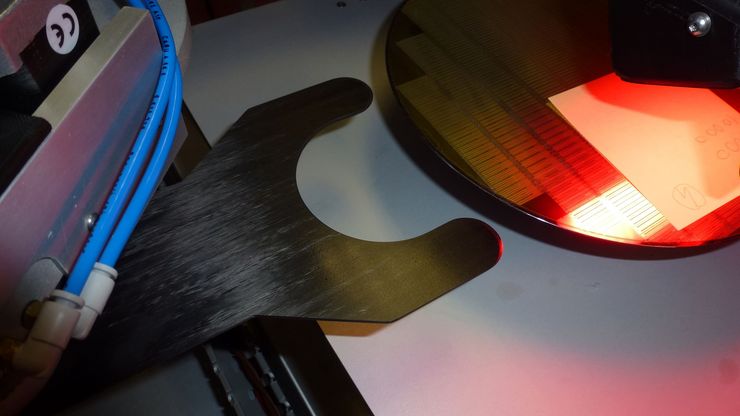
无需用手接触即可安全装载晶片,进行显微镜检测
本文介绍了用于显微镜检测的自动硅晶片装载如何帮助改进微电子工艺控制和生产效率。人工搬运晶圆很可能会损坏脆弱的晶圆表面,从而增加成本,而自动化搬运则能确保更安全、更具成本效益的生产。自动晶片装载机在显微镜检测和制造方面的优势概述如下。

电池制造过程中的毛刺检测
毛刺是电池电极片边缘可能出现的缺陷,例如在制造过程中的分切环节。它们可能会因诸如短路等故障导致电池性能下降,并引发安全和可靠性问题。毛刺检测是电池生产质量控制的重要部分,对于生产具有可靠性能和寿命的电池至关重要。通过适当照明的光学显微镜可以在生产过程的关键步骤中快速可靠地对电极上的毛刺进行视觉检测。
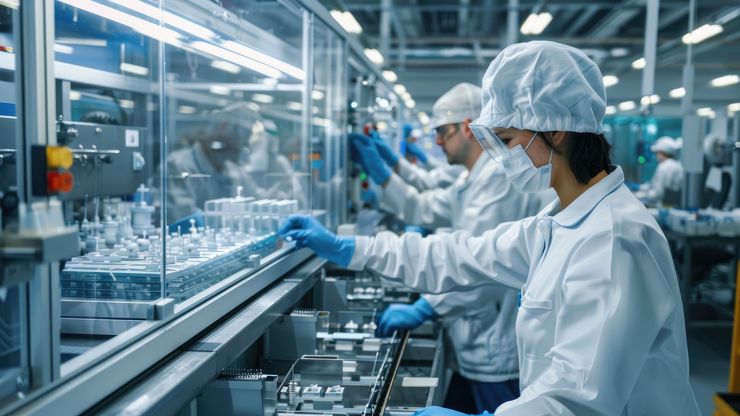
跨行业的质量保证改进
精确是最重要的。试想一下,心脏起搏器在运行过程中发生故障,或者半导体缺陷导致关键系统崩溃。在医疗设备、电子产品和半导体等行业,误差几乎为零。质量保证(QA)不再仅仅是一项监管要求,而是一项推动业务成功和保护品牌完整性的战略优势。


